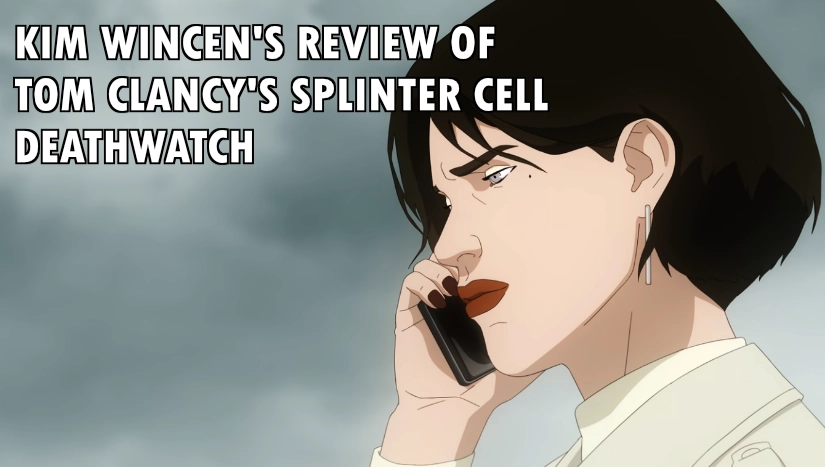
So, the reason I played Tom Clancy’s Splinter Cell: Conviction(Conviction) is because I had watched Tom Clancy’s Splinter Cell: Deathwatch(Deathwatch), the Netflix show led by John Wick writer Derek Kolstad.
Apparently Koldstad was a huge Tom Clancy fan,1Joe Deckelmeier & Grant Hermanns “Netflix’s Splinter Cell: Deathwatch Creator Talks Franchise’s New Era” (14 October 2025) Screenrant <screenrant.com> and enjoyed the games as well – and that makes it very odd how the series diverges from games and from the general approach taken by Clancy. Of course, he was also the executive producer of The Continental: From the World of John Wick mini-series that cast infamous antisemite and all round shitbag Mel Gibson in a major role. So, understanding the audience isn’t his strong suit.
This leads to a weird scenario where it doesn’t quite feel like a Splinter Cell story, or John Wick story, but some sort of third thing that references Splinter Cell while trying to point to the latter. It’s fun, but its also very scattershot in that way which properties designed to try to reinvent a thing by making it more like an unrelated thing often end up being.
I’ve written this to contain minimal spoilers, however it is impossible to talk about elements of characters and narrative without touching on major spoilers – so be warned.
What is a Splinter Cell?
While the property is boldly declared to be “Tom Clancy’s” it wasn’t actually created by Tom in the same was that Rainbow Six was. Rather it was created independently by a team, with similar branding and ideas, and the name used with Tom’s consent. It was created by Ubisoft after the acquisition of Tom’s own video game company, Red Storm Entertainment (which has never made a Splinter Cell game).
Allegedly Clancy’s main issue with the games was he didn’t like the signature triple-lens goggles that the protagonist wore since they didn’t exist at the time, and so troops who needed multiple types of goggles carried multiple sets. Once technology got compact enough, the googles did come to exist so I guess Tom was happy.
In a very “Tom Clancy’s” way, the series has always been about the idea that what a world in peril needs is not systemic change, more transparency or more democratic ideals but a covert group of elites who know what’s best for us plebians. They operate in secret, violently and their existence is justified by the existence of their ontologically evil enemies.
I love it – as entertainment. I just wish we could get people to stop believing that it’s reality or that it should be reality. Anyway.
The games represented a novelty to many people (who hadn’t been exposed to or learned to appreciate Hitman games) in that they were were slow, strategical and mastery was demonstrated by minimizing the violence.
They were also intensely political and filled with quality banter between a variety of interesting characters. According to the original voice actor for the protagonist, this was largely due to his intervention and explaining to the studio that characters require personality.2 Justin Young & Michael Ironside “Ride of the Roughneck – An Interview with Michael Ironside” (4 June 2024)Monsters, Madness and Magic YouTube <www.youtube.com>, at 49:00
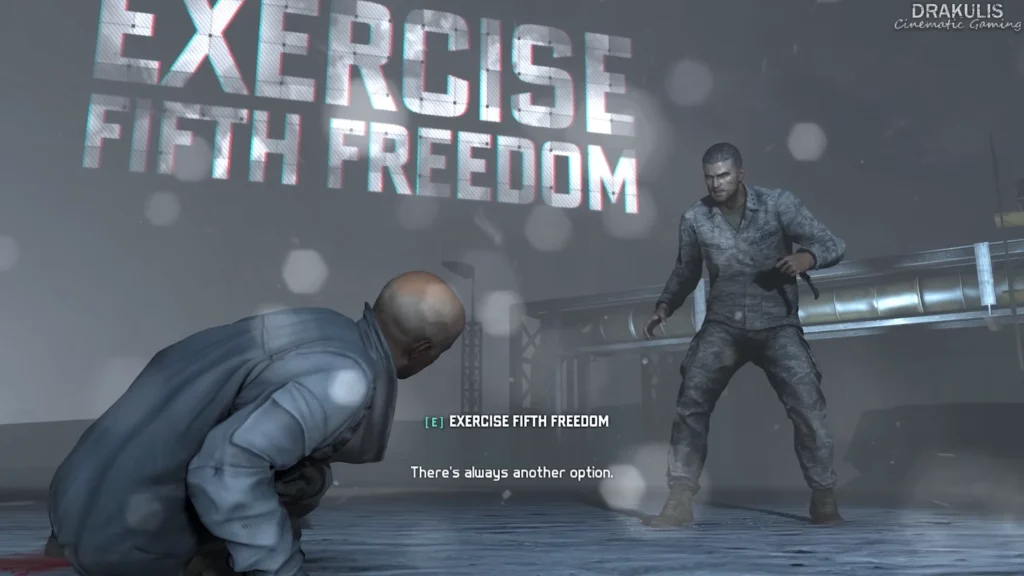
An ongoing central theme with the Fifth Freedom, a fictional expansion on Franklin D. Roosevelt‘s Four Freedoms: The freedom to do whatever is necessary to protect the Four Freedoms (for Americans, fuck everyone else). In the games this gets used equally to impose interesting challenges (periods where you are not authorised to kill anyone) and dramatic scenes (where lethal confrontation is or seems unavoidable).
The popular “peak” of the games with Tom Clancy’s Splinter Cell: Chaos Theory(Chaos Theory) – which was the last game before they started experimenting with a more edgy and violent formula.
Sam Fisher
The iconic protagonist of the games and everything else in the franchise, at least to date, is a retired special-forces operator, Gulf War veteran, turned super-infiltrator who saves the world sometimes.
Originally voiced by iconic 90s big bad Michael Ironside, he was played by Eric Johnson in Tom Clancy’s Splinter Cell: Blacklist(Blacklist) and now by Liev Schreiber (who is 17 years Ironside’s junior, but 12 years older than Johnson). Schreiber is the closest to Sam’s canonical age, and the show refers to him as an old man constantly (not sure how Schreiber feels about that).
Very little else is explored about him. He is old, an semi-retired Splinter Cell agent — and for reasons not really explored he is living on a farm in rural Poland rather than keeping in touch with his daughter or any aspect of his established background. You are both expected to know who he is while not thinking too hard about his established character.
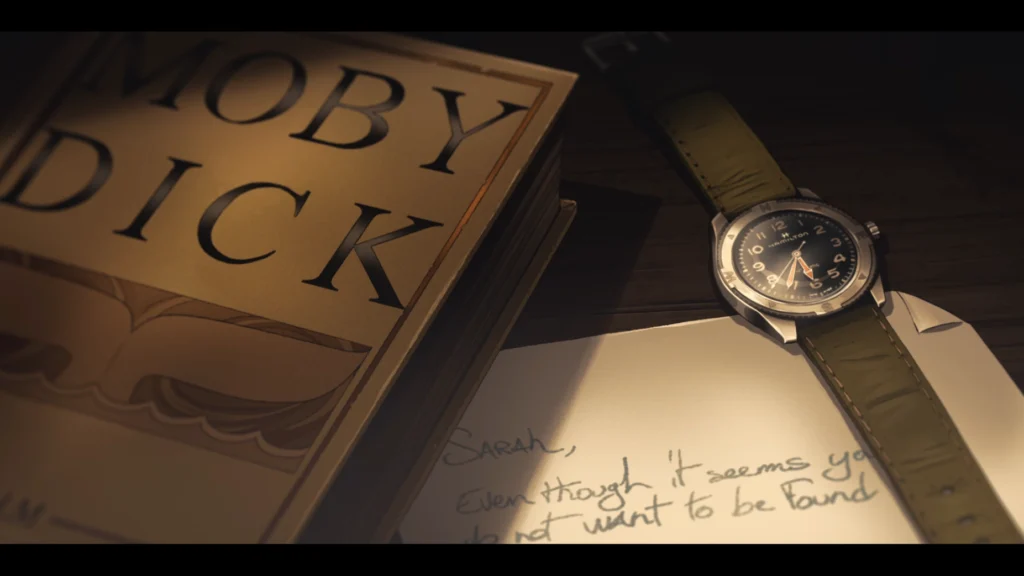
Like in Conviction it is presented that Sarah has become Sam’s primary focus in his life, his reason for living is first revenge and then protecting her. This theme sort of continues in Blacklist but in DeathWatch he is apparently now so estranged he keeps letters he’s written to her but has nowhere to send them to?
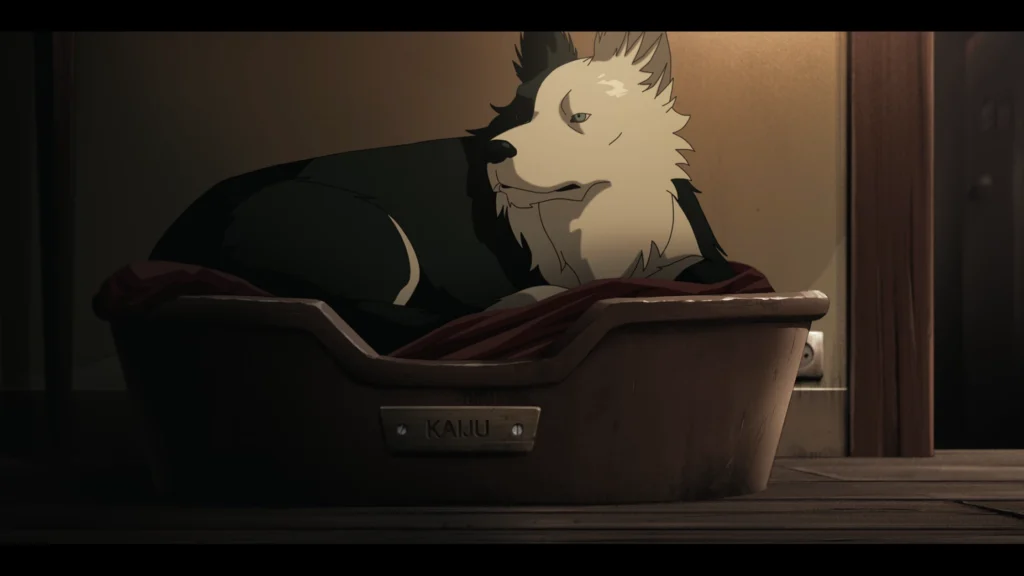
Also he has a really cute dog named Kaiju, which is fantastic in isolation but very confusing when you remember that part of Sam’s background is he would not have the first clue what a kaiju is.
Once the plot kicks off, he has all the agility, speed, and ability to recover of a young man – falling out windows, getting stabbed and somehow still fighting at full capacity. In short, if we weren’t told he’s Sam Fisher, we’d have no way to know it – though Schreiber does a great job or recapturing the vulnerability that Ironside introduced and that (in my opinion) endeared him to a whole generation of gamers.
Anna “Grim” Grímsdóttir (Grim)
The long time voice in Sam Fisher’s ear, she started as the technical analyst at Third Echelon then kind of got forgotten before being reinvented as a weird ice queen femme fatale, then as a knock off of Clarice Starling (as she appeared in the Hannibal movie) and now has the final indignity of being Spy Karen.
From the original game in 2002 all the way through to Conviction, she was voiced by Claudia Besso. Despite Claudia’s epic contribution to the property and presence through its evolution – I’m unable to find any interviews with her. In Blacklist, Grim was voiced by Kate Drummond, and in Deathwatch she’s voiced by Janet Varney.
She no longer has any technical competence of note, doesn’t seem to be able to play 4D chess with humans as pieces and doesn’t even have the negligible leadership skills she displayed in Blacklist. All she does is make demands of people, refuse to listen to them and refuse to take no for an answer – prevailing by accidentally saying something of interest mid-tantrum.
All the previous comradery with Fisher seems to be distilled down into one exchange, delivered over a phone call.
Sam Fisher: I’ve missed you Grim.
Grim: No… no you haven’t.
I mean, amazing dialog – even more amazing delivery, but nowhere near enough.
It is really difficult to overstate how badly fumbled this was.
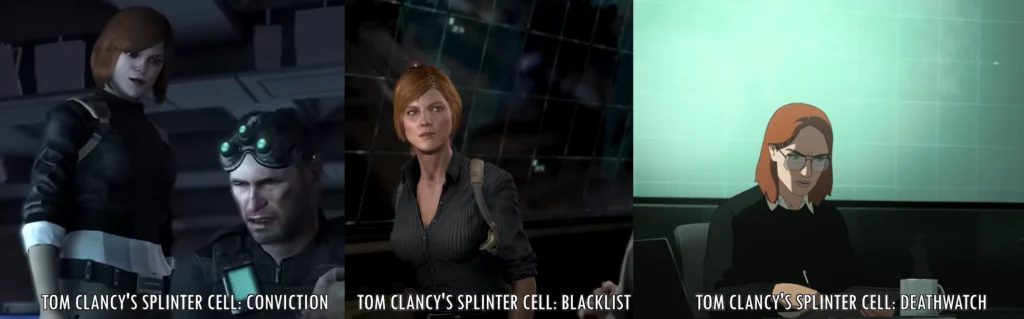
#JusticeForGrim
Fourth Echelon
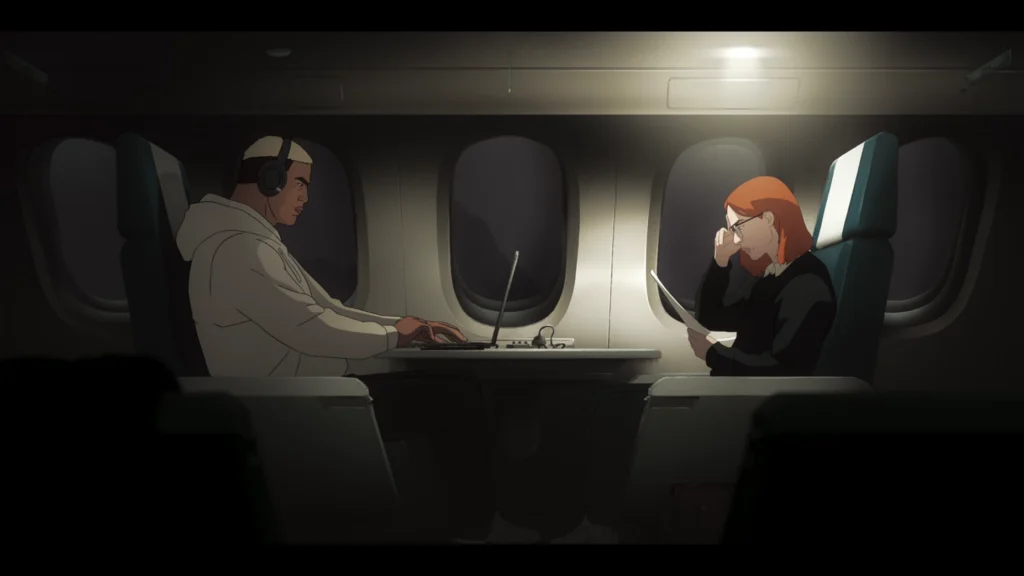
This may be the least established part of the show, with no clear parameters on who it is or what the plan with it was. At some points it seems to indicate that it’s a well established organization with lots of members, but most of the time it seems that it consists literally of 3 women plus Sam Fisher (who’s been on inexplicable leave since before they hired the third woman).
In Blacklist, Fourth Echelon was operating out of a special mobile command centre inside a plane – now it is somehow set up in Fort Meade despite not being in the US Navy. Fourth Echelon does, it seems, answer directly to the President but also to the Senate – rather than any Joint Chief or Department.
Similarly, while it seems to be only a few people – it also apparently has heavily locked down safehouses hidden in cities throughout the world, complete with armouries for half-a-dozen people and full medical facilities.
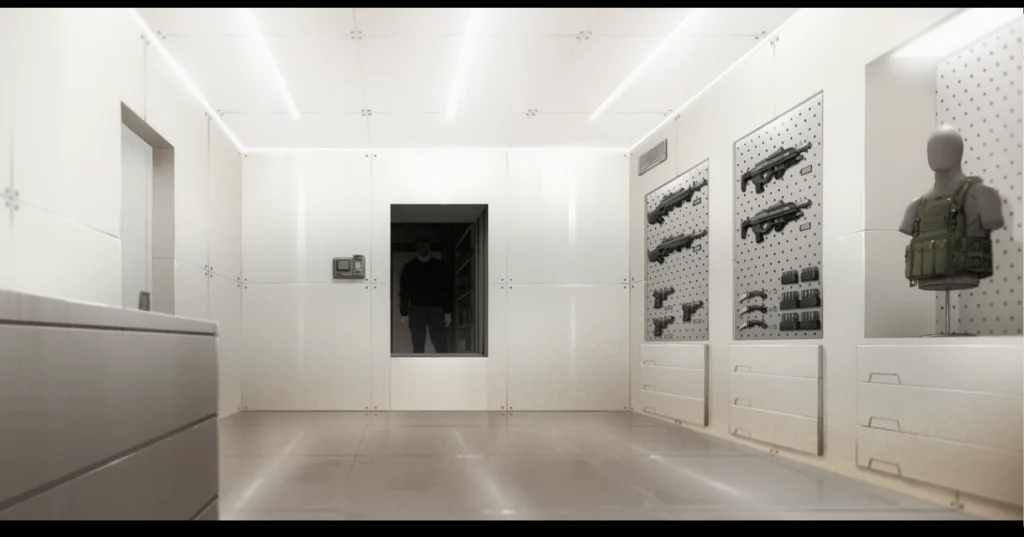
In a weird way, the entire of “Fourth Echelon” is the single support character who is neither a new hire, nor a longstanding member of the cast. Jo Ahn is basically Grim’s Grim, who starts doing the technical work, recommends her own replacement and otherwise just narrates things for the audience.
The Shetlands
One of the biggest villains with the most emotional impact in games was Douglas Shetland – disgraced former marine turned billionaire private military contractor and illegal arms dealer… somehow. He appears in flashbacks, because Sam killed him in Chaos Theory.
This is probably because, as mentioned above, after Chaos Theory they started taking the property in a different direction and frankly – they just didn’t really build much emotional investment with the approach they were taking. Douglas was a dramatic moment in the game, and one with a dramatic false choice – you can choose to kill him proactively or you can try to spare him and kill him in self defence.
His villainy is perpetuated instead by his two children, Diana and Charlie, who we are told are half-siblings and that Charlie arrived such that he didn’t get a chance to have meaningful conversations with his father.
This facilitates a scenario where Sam feels a kind of familial obligation to Diana, his god-daughter, but has no clue or care who Charlie is. Honestly, makes Charlie’s rage seem entirely justifiable – particularly since in the first episode we seem that Sam has this picture of Diana, Charlie and their adorable dog on his fridge.
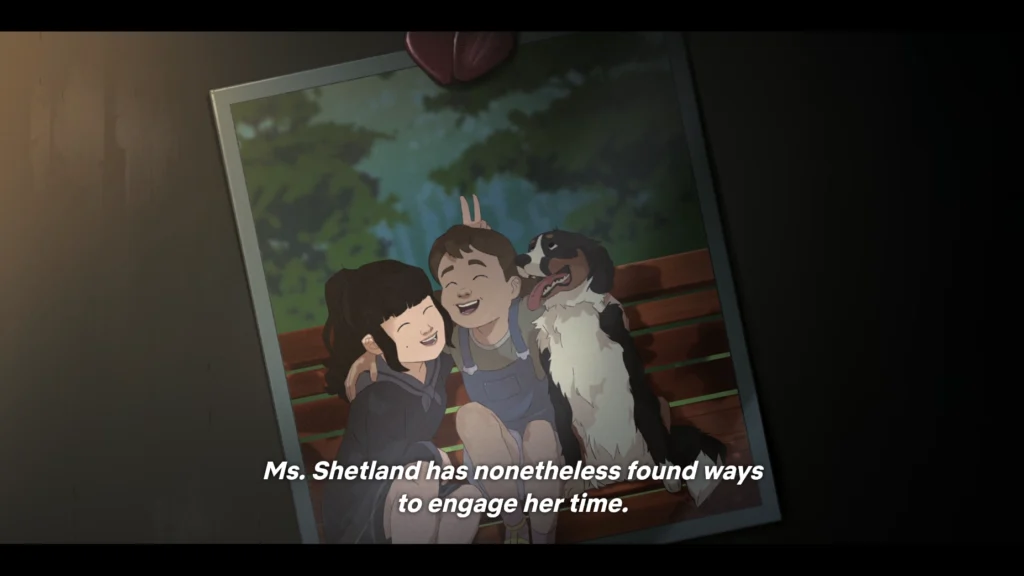
Weirdly, this is all put as exclusively Sam’s drama – Grim seems to have no emotional investment in it despite her being the analyst who facilitated the showdown between Sam and Douglas.
Generational Shift
A potentially interesting element of Deathwatch is that it seems to introduce the next generation of agents – and now that its been renewed for a second season we might get some reasonable development for them.
McKenna
Full name Zinnia McKenna, the inexplicably British agent who is both the only Splinter Cell agent that is answering to Grim at the start – and also somehow able to talk to Sam like they’re just colleagues with well understood jobs.
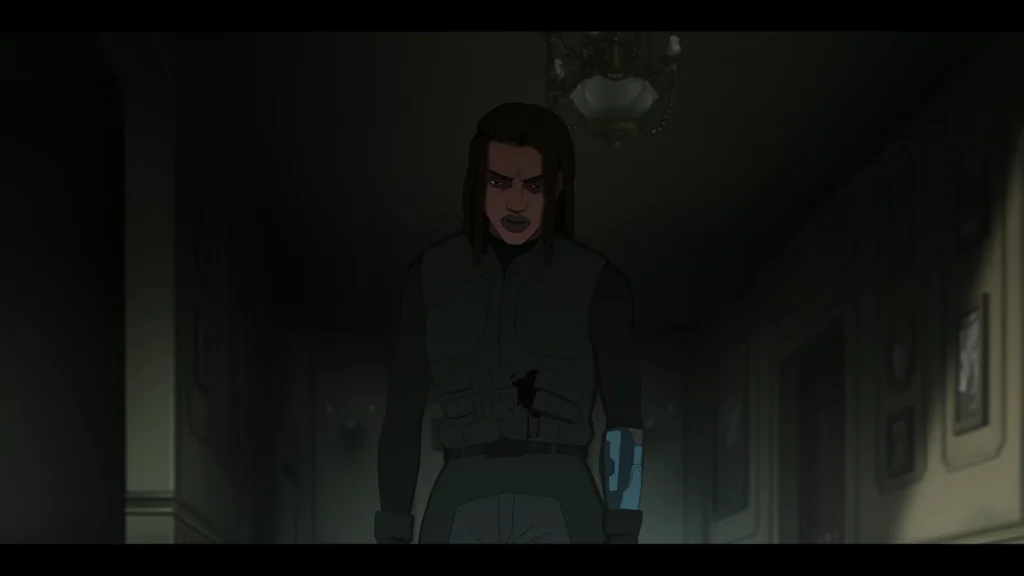
The performance by the animators and by Kirby are fantastic, creating a character who is more relatable than Sam. In the course of the plot goes through a compelling arc involving grief, revenge and growth.
Also she listens to The Bangles.
In a lot of ways it feels like there are two versions of the story. One where McKenna is supposed to be the emotional core, and her arc from seeking revenge to seeing the bigger picture the sole focus. Since we’re introduced to her first, it kind of feels like this was the original story and Sam is just added to hijack it for fear that people wouldn’t connect to a story without an old white man in it.
Thunder
Kind of the next generation’s Grim… and the juxtaposition should be interesting but, the show doesn’t care enough about Grim as a character.
Both are the sort of hacker/analyst role who provides support during a mission, but rather than be a dropout who got identified early and worked through the organization – Thunder is a prodigy student turned hacker who gets recruited with no formal process despite not even being American.
Don’t get me wrong, Thunder is one of my favourite characters in the series and I am eager to see more of him. I think his background is very cool, I think he has some very cool moments – but that they have to introduce him as some kind of wunderkind who operates on a level nobody imagined before, and then have him slot into a familiar role, is weird and shows a lack of willingness to engage with the source material.
#JusticeForGrim
Jo Ahn
I’m not sure if she counts as a generational shift – since she is an entirely new character but is introduced as though she is part of the original crew and narrates to the new arrivals like she was there for the original stories.
As mentioned above, she starts at Grim’s Grim – a hacker analyst who monitors everything about the agents and manages all the technology required to do so until she is essentially defeated by an enemy hacker who is never revealed and this is used as the premise to introduce Thunder.
Narratively, her purpose seems to be both lore narrator and sounding board for Grim to talk to in a familiar manner. I’m not convinced its the best use of Helen Hong‘s talents.
Geographical
Every story must take place somewhere, and while Splinter Cell games generally travel all around the world in the search for exotic locations, the series limits itself primarily to a few locations. One set primarily for the plot, and the other because… someone did a Google?
Poland & Germany
The majority of the action takes place in urban Germany and rural Poland. The former is chosen due to it significance the grand design of the Shetlands, and the need for that grand design to be in a particular place for finale. The latter because, it’s nearby and makes for a “sleepy retirement” for Sam.
This creates some bizarre scenarios like how Sam has a photo of his daughter in his Polish farm house, yet is living out far, far away from her. I get that she doesn’t want her murderous dad living in her basement, but surely he could at least stay on the same continent as her so he could drop in from time to time?
Similarly it seems like the Shetlands, who are portrayed as being as American as Sam, have been operating the family business with its eight person board of directors out of Germany for no reason. They give speeches and talk to the press at events in Germany, all in English.
Obviously this series is not the first and isn’t even really that unusual for that – Hollywood as been making English the default language across the world ever since talkies. I suppose what really makes it stand out here is when they do try to engage with the setting, such as the opening where we have a guard listening to German hip-hop, or a tense scene where they can’t hijack speed cameras for surveillance because The Autobahn has no speed limits.
It strange juxtaposition of commitments.
Fort Meade
Stranger still is the decision that the command centre where Grim, Jo and Thunder work out of is in Fort Meade. It gets mentioned as a casual reference early in the show and then it just sort of carries on – giving me the impression that they didn’t put a lot of thought into it.
There are three issues with this decision – they all stem from the very nature of Fort Meade as a military facility in Maryland, Virginia.
The first is that Third and Fourth Echelons were previously set up as completely deniable operations that even the military wouldn’t know about. The Third Echelon headquarters was blown up by Sam in Tom Clancy’s Splinter Cell: Conviction, and Fourth Echelon was on board a heavily modified plane.
Putting it in Fort Meade means that thousands of US military and state security people are seeing the Fourth Echelon people check in and out every day – and that they’re in a facility that isn’t directly commanded by The President of The United States as the mythology stresses – but an Army colonel.
That makes the second point kind – when Grim recruits Thunder she just flies him there in her private jet, and they walk in. Dressed in civvies, no objections to Grim bringing a strange foreign national hacker with a suspected history of crimes against the government into the premier cybersecurity facility of the nation.
It’d be fine if it was some building that Grim controlled, or a mobile command centre that was currently parked in Germany — but it really seems weird when it supposed to be one of the most regimented and tightly controlled areas of the United States.
Lastly it becomes extra weird when you see first the luxury of the Fourth Echelon facility in Gdańsk, Poland, and that Sam and McKenna seem to just constantly fly back and forth between East Europe and Fort Meade without so much as a minor grumble about jet lag.
Narrative oddities
The story is full of narrative oddities that are strange in Splinter Cell, but specific to the property and just from a general approach to the story.
Action first, espionage as a break
It’s kind of hilarious that this series makes a big deal of Sam being old as balls, but also has him constantly engaging in fights, getting injured and then getting back up and ready to go like he’s eighteen. Netflix were apparently so proud of this they talked to Esquire about it.3 Anthony Breznican “Is Netflix About to Drop the Next Great Video Game Adaptation?” alternatively: “How Splinter Cell Was Resurrected for a New Netflix TV Series” (9 October 2025) Esquire <www.esquire.com>
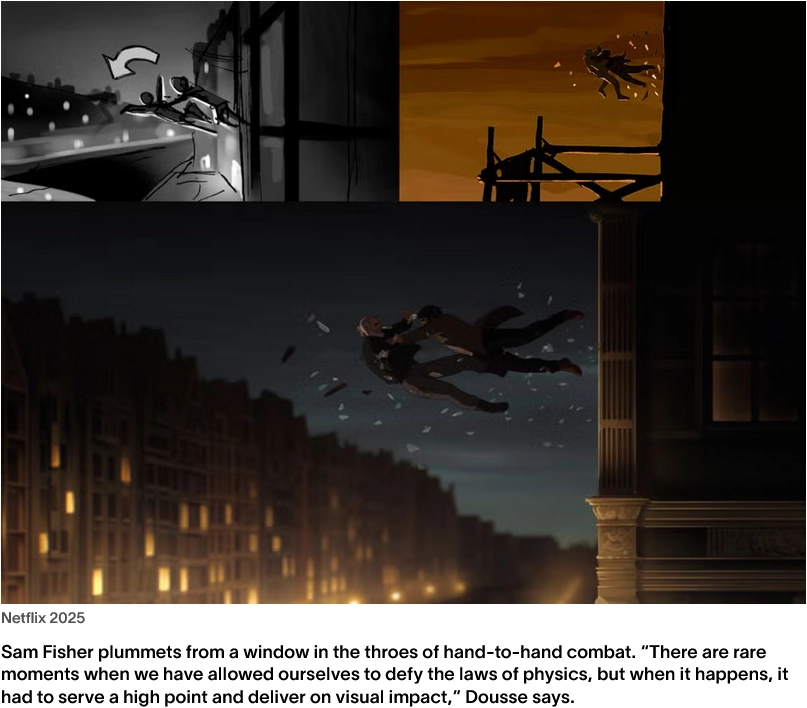
Early Splinter Cell games were noteworthy and mind-blowing to many fans because they showcased just how lethal professional hand-to-hand combat is at a military level – Sam takes people down expertly with slaps and single stabs of his combat knife. In Deathwatch, everyone wants to do classic action movie fight scenes, including crash tackles through windows.
This is the opposite kind of violence that used to appear in classic Tom Clancy stories, it misses the worshipful veneration of the lethal skills of a tier one operator – instead focusing almost entirely on stunts that were impressive in live action film, but kinda goofy in animation.
The espionage scenes, which are the foundational blocks of story and the concept of Splinter Cell are used as spacers to break up the plot – and this leads to them being very, very strange.
“Chaos Algorithms” and “Next level” puzzles
If the combat has strayed from the brutal faux-reality that used to inspire Tom Clancy to write of multiple pages about the technical specifications of a firearm – then the espionage and tradecraft has departed not just from the trail but the planet.
Early in the story, Fourth Echelon’s systems are crippled by some sort of super hacker who is never revealed or commented on after Thunder fixes the systems. As part of seeking to recruit him, Grim drops the term “chaos algorithms” as some sort of uber-threat.
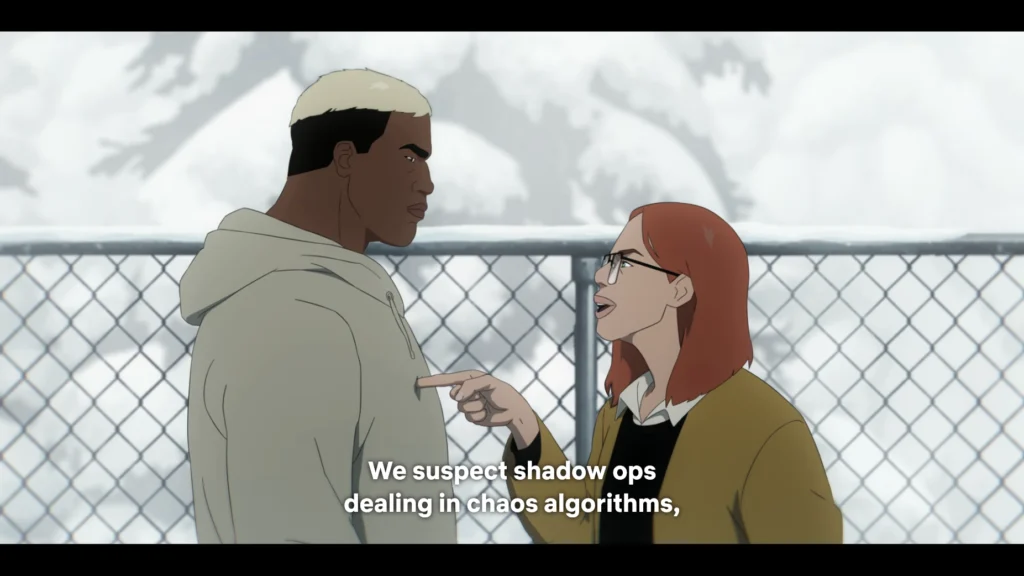
For anyone with even a rudimentary understanding of how programming works, this doesn’t sound so much like the work of a super hacker but something that you expect a Kai Lentit character to use to try to justify why his update deleted the production database and turned the main site into malware.
It gets even more absurd when a major plot point is that a single CIA agent, who is not established to have any particular background, has engineered a super puzzle that requires him to have manufactured a one-of-a-kind data storage device that he has been using to keep his notes in – and is also a fake tooth that can only be extracted like it’s a real tooth.
Thunder refers to these tricks as “next level” puzzles, but they are simply absurd. A reminder that Tom Clancy was skeptical on tri-lens goggles, these guys are now inventing entire new avenues of technology to try to crowbar in elements that have short term emotional impact and long term what-the-fuck value.
The part that’s truly baffling about them is they are completely unnecessary. These gimmicks aren’t load bearing pillars of the plot like the Russian Electro Magnetic Pulse bombs in Conviction were, they’re just generic obstacles that could easily be replaced with logical barriers and logical reasons to need to ransack an apartment, steal a phone, hire a hacker, etc.
Fifth Freedom Motherfuckers!
As mentioned, the Fifth Freedom is a core element of most of the games. In the early games it is used to remind the player of the context of a mission, to raise stakes and to build tension at climax points.
In Conviction, you just get to kill everyone all the time because you’re unemployed and in Blacklist there’s a big deal made that sometimes the Fifth Freedom means not killing a guy who has it coming.
Deathwatch never addresses the Fifth Freedom – probably because it seems to take place in a John Wick-esque world where it doesn’t create public panic when teams of armed mercenaries engage in gunfights in the streets, murder a priest in his confessional and leave corpses lying around everywhere.
Also during the one moment where McKenna seemed to display some discretion, and there would (traditionally) have been a moment where the Fifth Freedom is raised and questioned – the enemy takes the choice out of her hands in a baffling way.
Indeed, the season ends with Sam just doing a straight up revenge assassination – so I guess the Fifth Freedom isn’t cool any more?
Season two villain?
Perhaps the strangest element of the narrative is the way that it builds up what you would ordinarily is going to be the villain for the second and potentially ongoing seasons – then literally kills them off right in the last few minutes.
It’s very confusing from a narrative perspective, particularly since apparently they confirmed early on there’d be a second season.4 Nellie Andreeva “‘Tom Clancy’s Splinter Cell: Deathwatch’ Renewed For Season 2 By Netflix” (15 October 2025) Deadline <deadline.com> So this isn’t like The Pretender where every season has to end the property because there wasn’t going to be another and no potential for the story to continue. This is just an very strange choice.
Conclusion
It’s a pretty fun show, I hope that the second season is better structured, lets Grim have some time in the spotlight (and fixes her characterization) and continues the themes of the new generation of operatives. I would also like to see more Kaiju.
As an artwork, it essentially showcases the same problem we saw early on with Marvel movies where adapting long running properties that have been reinvented multiple times in its native formats. Eventually you reach a point where, whether you like it or not, you’re making something entirely different.
I appreciate that they seem to partially recognize that with the change of the guard but really wish they’d spent more time considering the themes and the choices early on. McKenna is great, Thunder is great, but Grim and Jo are criminally under utilized seemingly because we thought that mythologizing Sam was more important.
#JusticeForGrim
- 1Joe Deckelmeier & Grant Hermanns “Netflix’s Splinter Cell: Deathwatch Creator Talks Franchise’s New Era” (14 October 2025) Screenrant <screenrant.com> ↩︎
- 2Justin Young & Michael Ironside “Ride of the Roughneck – An Interview with Michael Ironside” (4 June 2024)Monsters, Madness and Magic YouTube <www.youtube.com>, at 49:00 ↩︎
- 3Anthony Breznican “Is Netflix About to Drop the Next Great Video Game Adaptation?” alternatively: “How Splinter Cell Was Resurrected for a New Netflix TV Series” (9 October 2025) Esquire <www.esquire.com> ↩︎
- 4Nellie Andreeva “‘Tom Clancy’s Splinter Cell: Deathwatch’ Renewed For Season 2 By Netflix” (15 October 2025) Deadline <deadline.com> ↩︎